Okay, so India has been trying to make the Tejas fighter jet for over 25 years, and Russia hasn't given up on making a car at VAZ for 50 years, but the US... It's supposed to be the world leader in everything, and then this happens:
But... Was it really combat-ready? We must have missed something, gotten distracted, and now, "sign here," the F-22 has suddenly become a combat-ready and usable airplane (and perhaps even a plane) capable of little more than chasing bubbles?
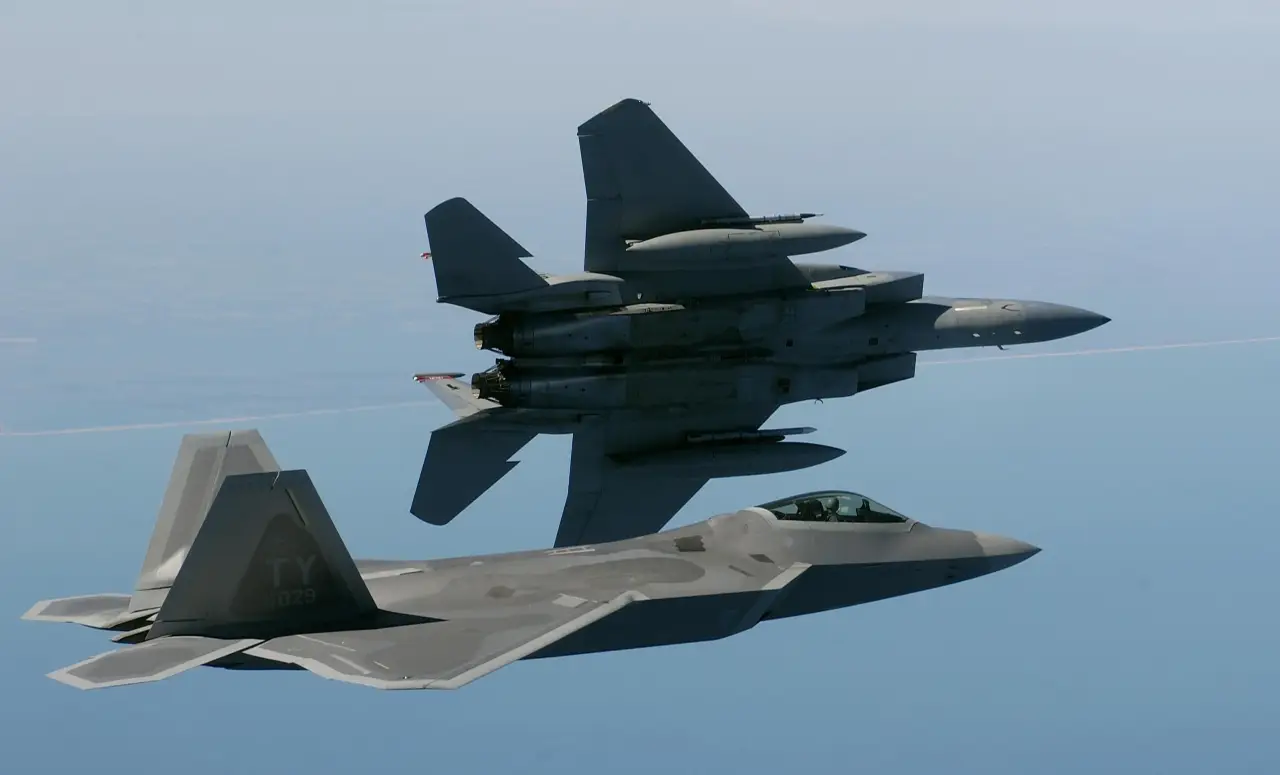
So it appears. Meanwhile, Lockheed Martin is discussing with the US Air Force the possibility of expanding the F-22 Raptor modernization program to include the earlier Block 20 aircraft currently used for training.
These Block 20 aircraft, 35 in total, were previously on the verge of being retired, but amid questions about the F-22's ultimate replacement plan, the manufacturer says it may support modernization efforts if they extend to these earlier and currently far less capable aircraft.
Speaking today at the Air, Space & Cyber conference in National Harbor, Maryland, O.J. Sanchez, vice president and general manager of Lockheed Martin's notoriously secretive Skunk Works research and development unit, said that "there are conversations going on about whether there's an opportunity to take the F-22 Block 20 fleet and continue to expand its capabilities." Sanchez noted that this isn't exactly a new conversation, but he hopes the service will pursue that option.
Seriously, why rewrite last century's manuals if everything works? But Mr. Sanchez's logic, what logic!
Apparently, we're talking about the very first series of aircraft, produced between 2001 and 2004. They're used as training aircraft, apparently for a reason. And it's certainly no coincidence that Mr. Sanchez decided to take care of these aircraft.
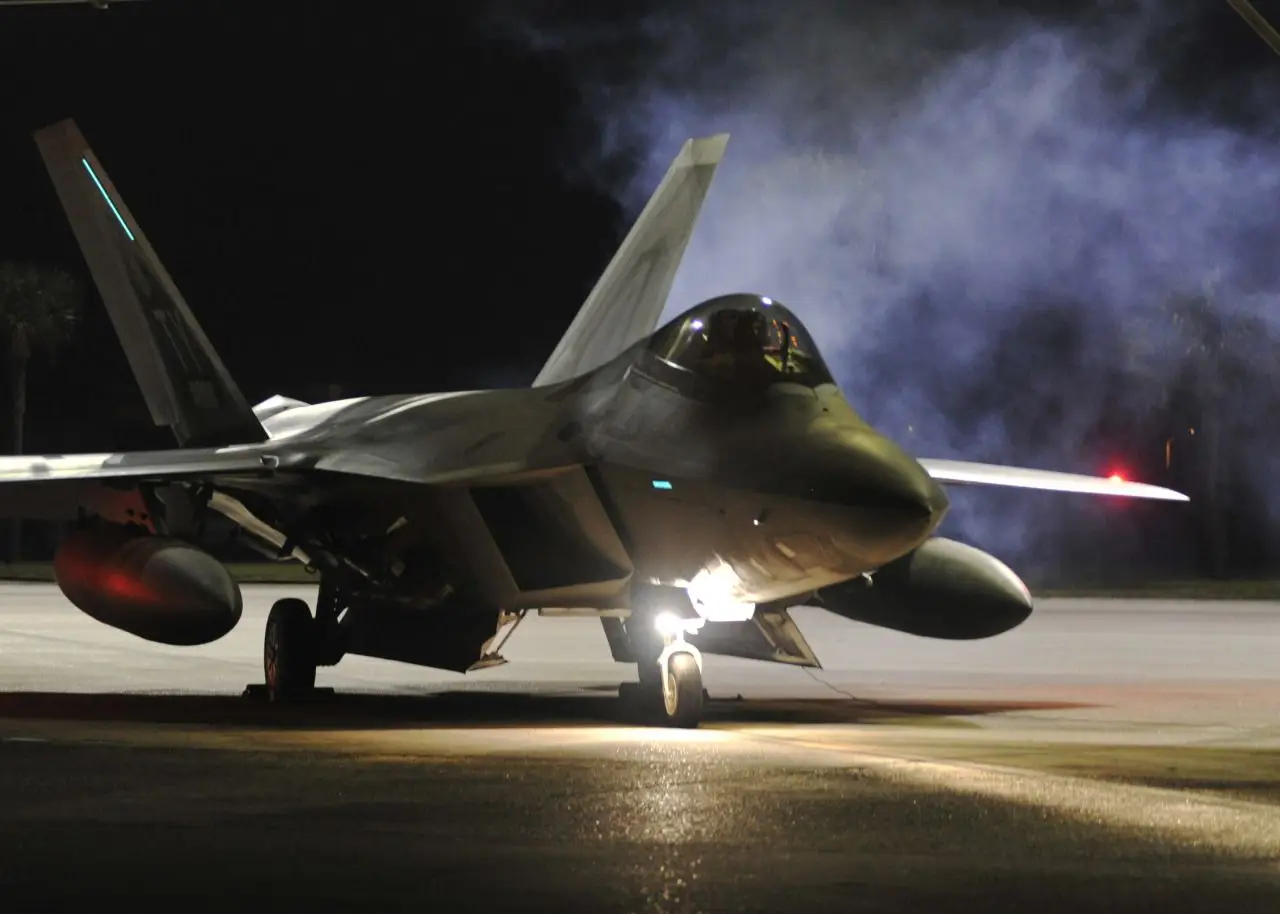
Mr. Sanchez mentioned the Block 30/35 upgrade program for more modern aircraft, part of the Skunk Works project, which aims to make the F-22 "see, shoot, and fly." Well, that is, to make it see and shoot anything at all. For starters.
The F-22 remains central to the U.S. Air Force, and keeping it on the front lines is paramount. The F-22 program at Skunk Works is focused on this. The F-22 Block 30/35 fighters are undergoing a major modernization program, a key component of which is the software-defined architecture of open systems. This allows for faster and easier integration of new and improved capabilities.
Sanchez also noted that the modernization of Block 30/35 aircraft includes work on developing unmanned and crewed aircraft in collaboration with the Air Force
The F-22 is at the forefront of developments in this area.
This is another aspect of the Raptor modernization that was discussed earlier. Furthermore, the F-22 plays a key role in the development of the Air Force's next manned fighter, the Boeing F-47, as part of the Next Generation Air Dominance (NGAD) program.
The F-47 is still very difficult to understand. The US Air Force is feeding the public with drawings and boastful reports, but no one has seen the plane in metal, although Air Force representatives assure us that it's already flying. Or will be very soon, or something like that.
As Sanchez said, when discussing ways to modernize the F-22, difficulties with specifics begin to arise because the information becomes classified.
We've talked about the F-22 being a bridge to NGAD, and we continue to monitor its evolution, working with the U.S. Air Force to incorporate next-generation technologies into the F-22. That's our philosophy. However, as we've detailed previously, the F-22 is currently in the process of receiving a number of new 'capability' upgrades. These will help protect the Raptor fighter from emerging threats and ensure its relevance in future conflicts.
We know the upgrade package includes the previously announced Infrared Defensive System (IRDS), as well as improvements to the F-22's stealth, radar capabilities, electronic warfare, and other capabilities.
This upgrade is not related to other upgrades under development for the F-22, including the outboard infrared search and track (IRST) sensor and low-observable drop tanks.
The F-22's continued relevance to the US military, particularly in high-level combat, and its relatively small numbers make the case for similar upgrades on Block 20 aircraft even more compelling.
Well, there's not much to argue with here. Everyone knows that the F-22 has been involved in virtually every armed conflict the US military has fought in the 21st century, from Libya to Iran. The aircraft is credited with hundreds of destroyed targets, dozens of downed aircraft, and so on. And yes, it's very difficult to imagine the US military without the F-22, especially if the drug dealer has a good supply. In a pinch, alcohol can be used, which also helps to understand the necessity of this aircraft for the US military. It's practically impossible to pull off such a feat while sober, because the facts begin to destroy the established worldview, like a bulldozer destroying an old barn.
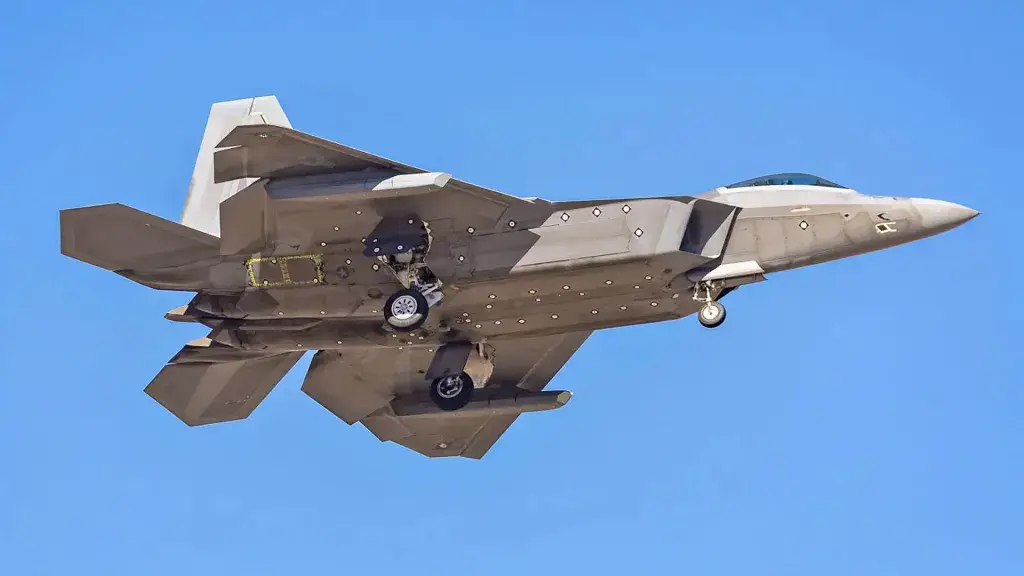
The US Air Force currently operates 185 F-22 aircraft, but only 143 are considered fully combat-ready, with the rest used for training and various testing. This means that all Block 20 aircraft perform secondary missions. Meanwhile, a significant portion of this fleet is typically undergoing maintenance at any given time. Such is the Raptor's journey. From maintenance to repair. There's generally little time to fly.
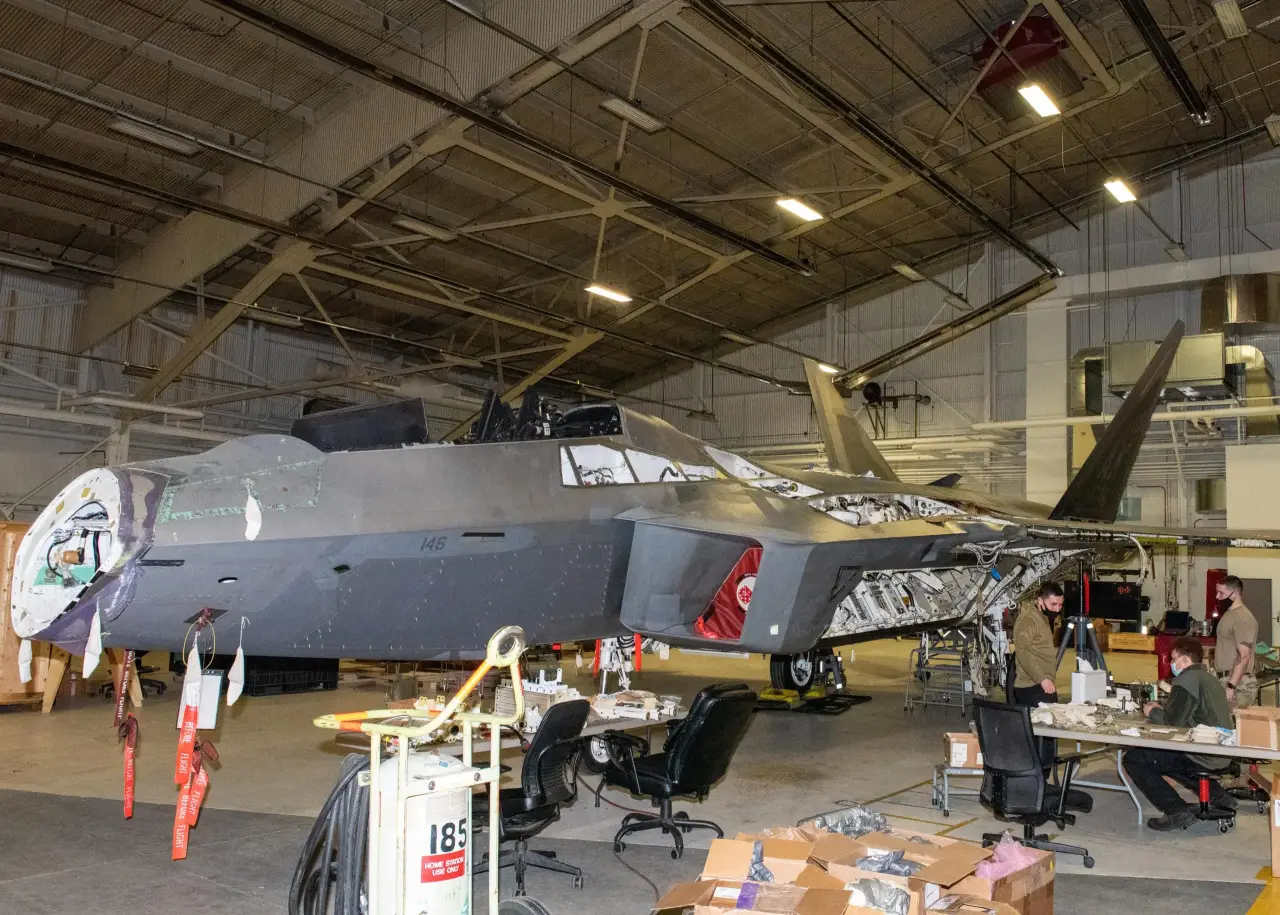
As for the 32 "inferior" Block 20 aircraft in question, the Air Force at one point considered phasing them out entirely as it faced looming budget cuts and mounting questions about how far it was cutting its existing fleet, particularly fighters, as it pushed forward with modernization plans.
Last year, a congressional oversight body warned that phasing out Block 20 aircraft would leave the Air Force facing potentially serious operational, training, and testing challenges, as well as the risk of associated costs. It also questioned the agency's assessment that upgrading these aircraft to a newer standard would be prohibitively expensive.
Even before that, the House and Senate Armed Services Committees, which oversee funding and oversight of the Pentagon on behalf of the U.S. Congress, tried to force the Air Force to retain—and upgrade—the F-22 Block 20 fighter jets.
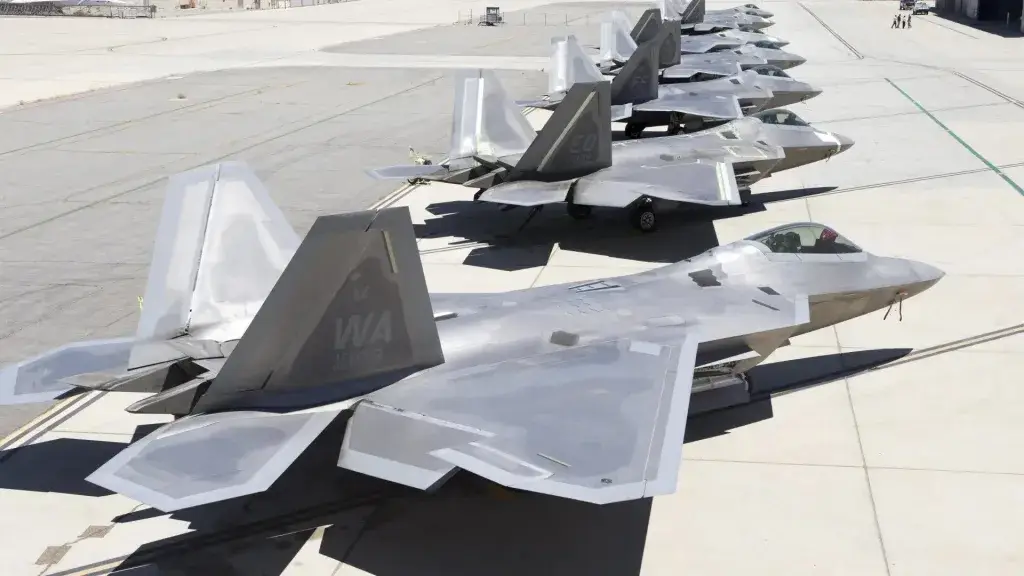
Since the small number of F-22 fighters is already highly capable and in high demand, having more combat aircraft at its disposal would be a huge advantage if it could be funded.
All of this needs additional translation.
The essence of all activity in the United States can be summed up in one word. As in the American bible: first was the word, and that word was... lobby!
It's no secret that the entire US political and economic machine revolves around this very term. The Kennedy, Bush, Biden, Cassidy, and Mallon family clans turn the cogs of this machine, oddly enough, providing jobs for Americans.
Meanwhile, F-22 supporters in the Air Force are arguing for keeping the Block 20 aircraft even without upgrades.
I’m in favor of keeping Block 20,” General Wilsbach, head of the Combat aviation Command. "Frankly, there's no replacement for the F-22 right now. They're very useful for training, and even if we have to use the Block 20 in an emergency, they'll do the job. They're very capable. Of course, if they received even a fraction of the upgrades currently available for the Block 30/35 aircraft, their capabilities would expand even further.
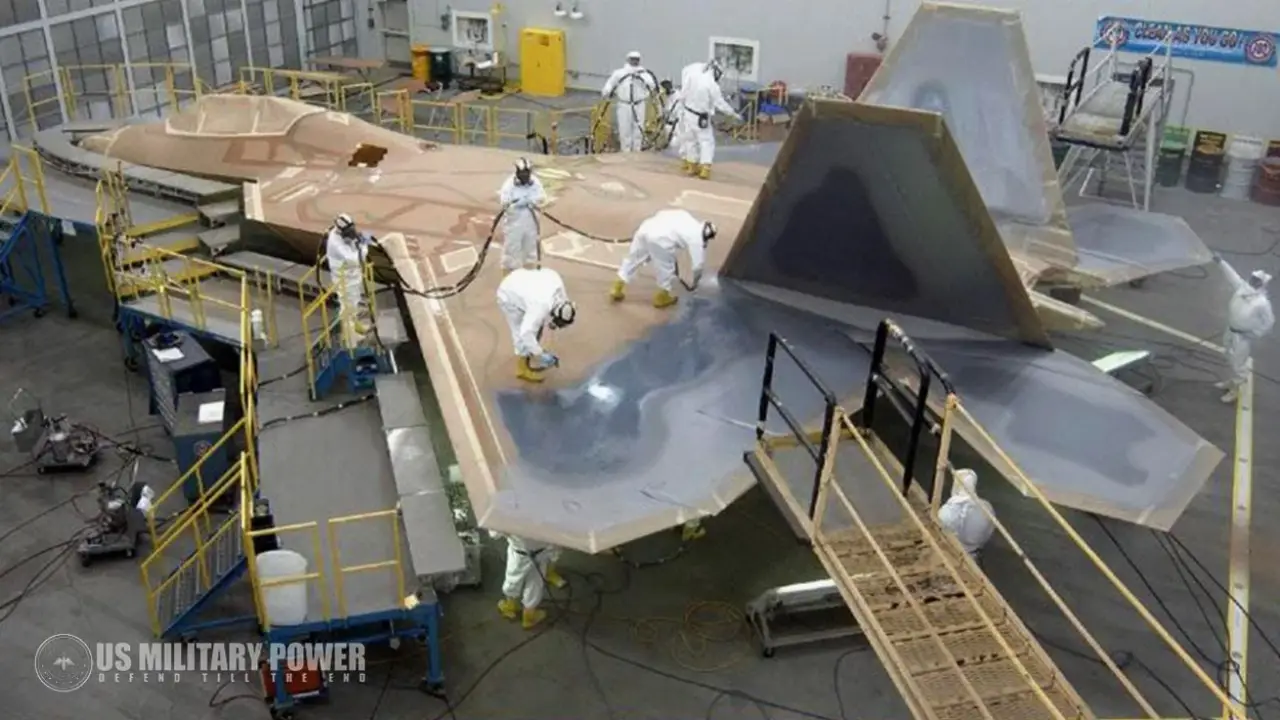
See? The F-22 Block 20 is great in every way. And there's no need to change a thing! But if you add a few dollars—literally, a couple of tens of millions—the Block 20 will become a Block 30 or 35. The Block 20 already runs great from maintenance to repairs and back, whereas the Block 30/35 will do the job, which is definitely better. And more expensive.
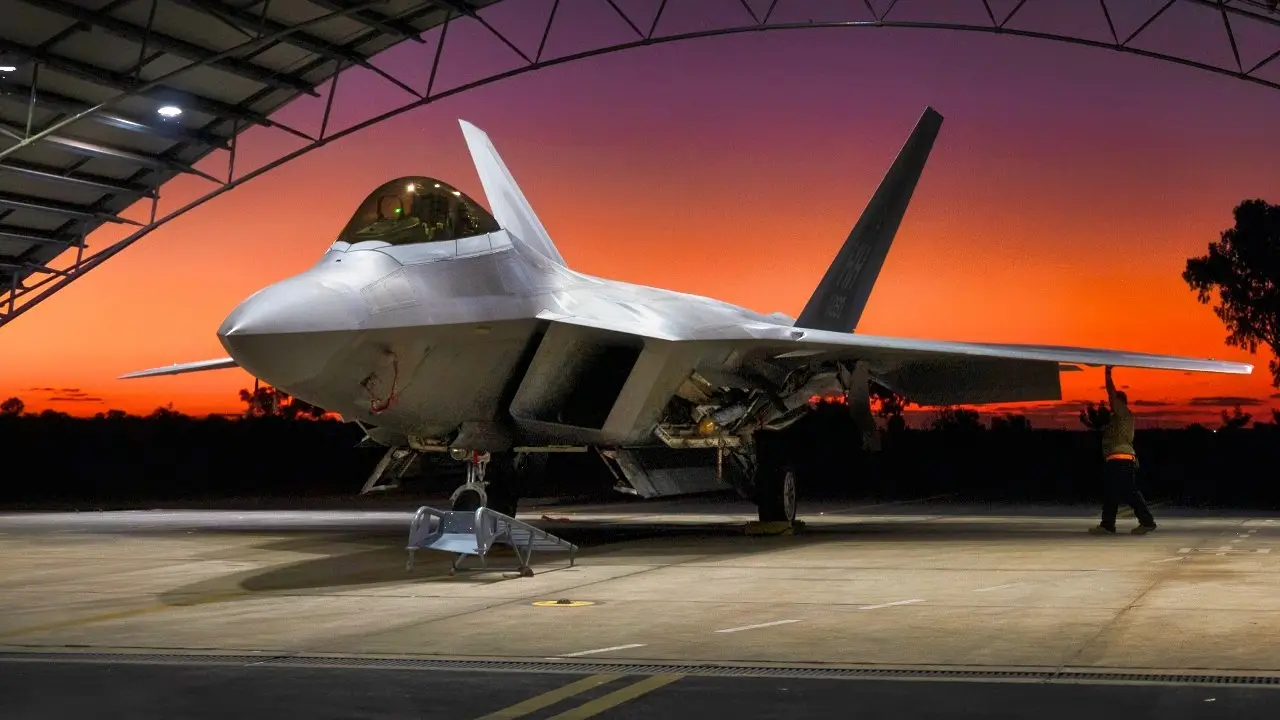
But American taxpayers will be the ones making money, so there is nothing wrong with that, and there can be nothing wrong with that.
Let me give you an example. In our unit, we had two "Breadwinners"—Ural-375 vehicles.

They never went anywhere further than the car wash; they sat on chocks in the garage, washed and polished. And according to their documents, they never showed up at the unit, which was confirmed by properly completed route sheets. And on Saturdays, a demobilized soldier with a drill would go to the "breadwinners" for the PKhD. And this soldier simply rolled back the odometers. And the AI-93 gasoline supplied to these trucks happily migrated into the tanks of the officers' cars, from the unit commander down. Considering that the Ural-375's official fuel consumption was somewhere around 50 liters per 100 km, and the smart guys even increased this figure by warming up during the winter and engine wear, it's understandable why these trucks were idle. In fact, they were a joy to have back then.
It's pretty much the same with the F-22. It can't fly properly, and it can't fight. The budget is slowly absorbing it. Everyone's happy. The main thing is to avoid any F-35-style gimmicks.
The US Air Force has repeatedly stated that it ultimately wants its F-22s to be replaced by a new sixth-generation stealth combat aircraft being developed under the NGAD initiative. This aircraft is now known as the F-47. The aircraft's first flight is currently scheduled for 2028, but it's not entirely clear; some claim the F-47 has already flown, while others disagree.
However, last year, the plan to develop the NGAD combat aircraft was suspended, and for a time, it seemed the NGAD project might be canceled. By the summer of 2024, it became clear that there was no longer a clear plan to replace the F-22 with the F-47, as the new project was not progressing as expected.
While the NGAD project, now the F-47, remains afloat, questions remain about the projected size of the F-47 fleet. Meanwhile, it's not entirely clear when—or even if—the aircraft will enter service. In May, the Air Force schedule below indicated that the service planned to acquire over 185 F-47s, which would replace the F-22 fleet at a one-for-one ratio.
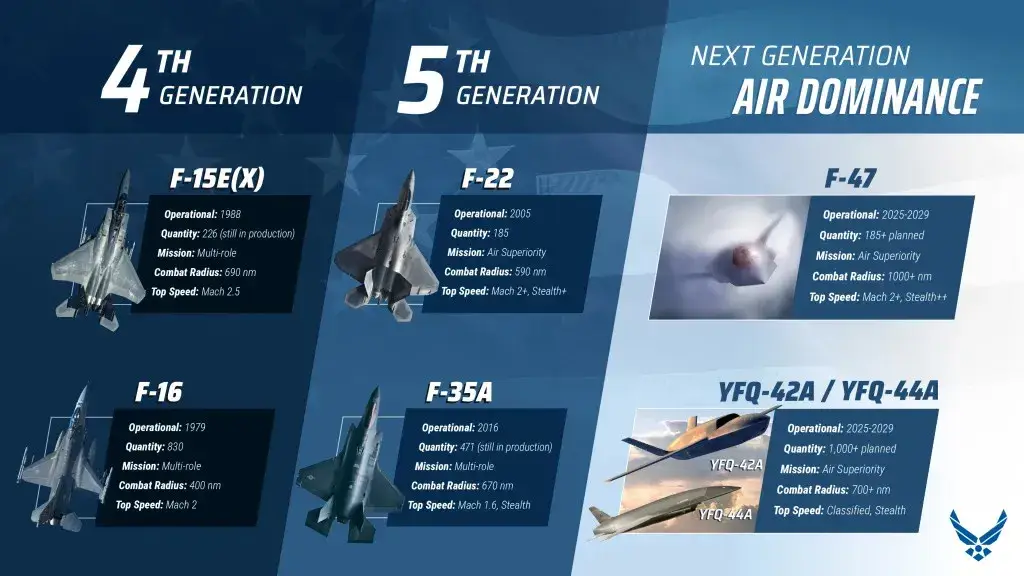
But a picture—we understand it's not an airplane. It's just a picture, and let's be honest, lately in the US, there have been a lot of pretty pictures spilling out into the media, but very few viable projects (let alone combat capability).
And while the final figure for the F-47 has not yet been determined, and there are still more and more uncertainties and omissions about the aircraft itself, Lockheed Martin states that with the help of modernization, the F-22 can remain in service until the 2040s.
This is the strangest thing about this storiesOn the one hand, Boeing is making very optimistic statements and forecasts for the F-47, while on the other, Lockheed Martin assures that the situation is under control and the F-22 will still serve.
And, most interestingly, there's not a word about the F-35. It's as if it doesn't exist at all. And for good reason.
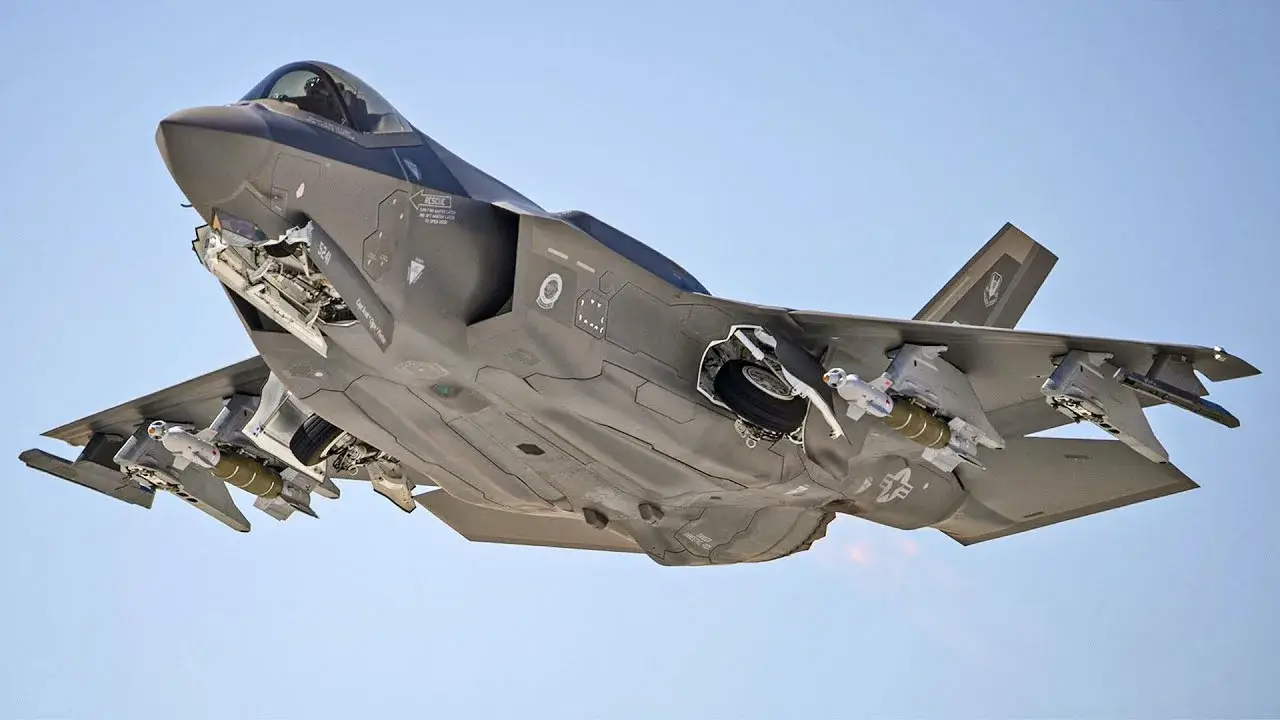
It appears the future of the F-22 will largely depend on the pace of F-47 service entry and the Air Force's final procurement plans for this aircraft. At the same time, Lockheed Martin is clearly very interested in the F-22 serving for many years to come—and, of course, generating profits, however small. And if the Air Force wants to ensure the F-22 fleet remains as combat-ready as possible for years to come, upgrading older aircraft could help ensure their long and happy life.
And yet, what about the F-35? Why is it either the F-47 or the F-22, and nothing else? There's only one answer: everything's already been carved up and divided. And the rules of the game are such that it's impossible to even talk about the F-35, because it's not kosher. So, a thousand "penguins"—that's a different matter, as they say in our district center.
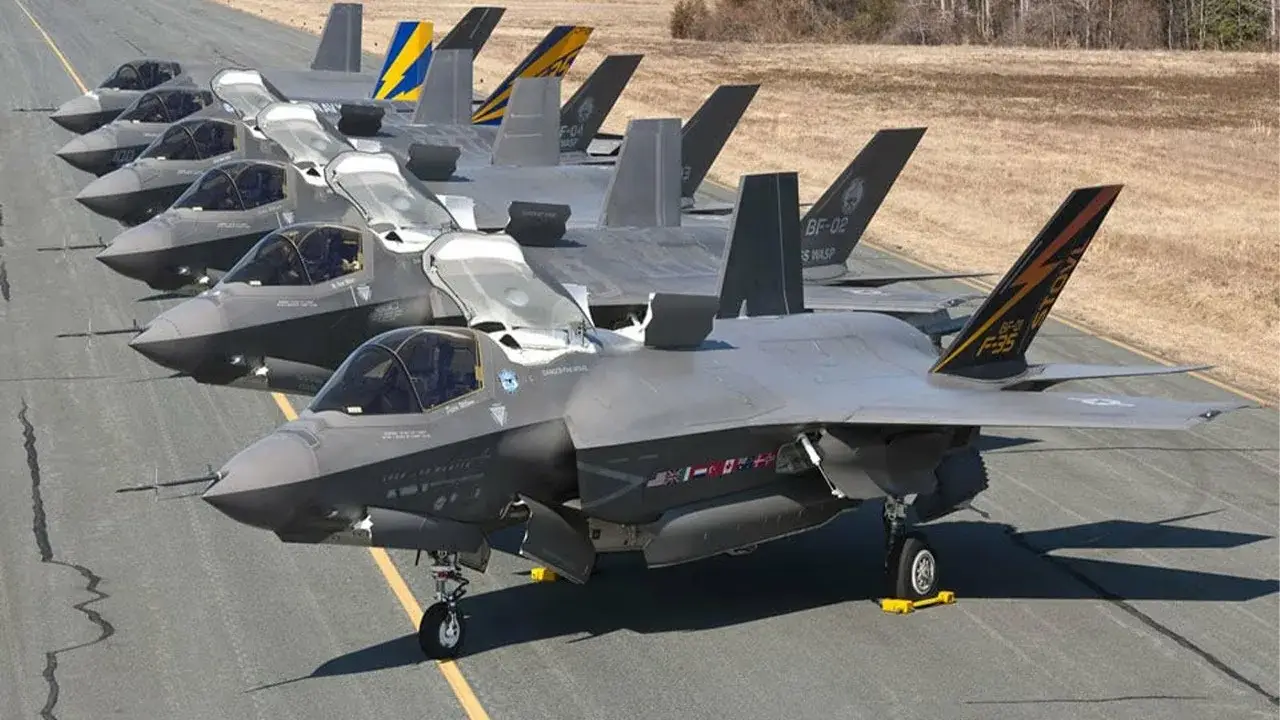
And under no circumstances should we rely on them if the F-47 program suddenly stalls. Only the F-22. Apparently, the US Air Force has come to the conclusion that the F-35 is simply incapable of such operations and is unsuitable as a backup for the F-47. Even though you can field four F-35s for one F-22, they won't cope. I won't say why, but there's a strong belief they won't be replaced.
Therefore, it is simply necessary to further modernize the F-22. There is no way out, since it is unclear when the F-47 will be ready, and since the F-35 is not an aircraft capable of replacing the F-22, the only option is to push this lobbying cart uphill with afterburners. For money, of course.
And yes, in this regard, any modernization would be good, really, even if you screw the shafts on the sides, the main thing is that Congress throws out the necessary amount of money for it.
So, it's understood that the F-22 isn't obligated to fly at all. The main thing is to be fully prepared for anything that might happen, so to speak.

It's not a bad idea at all. It was clearly one of our guys who suggested it. One of those guys who checked the odometers on the Urals.





Leave your comments